
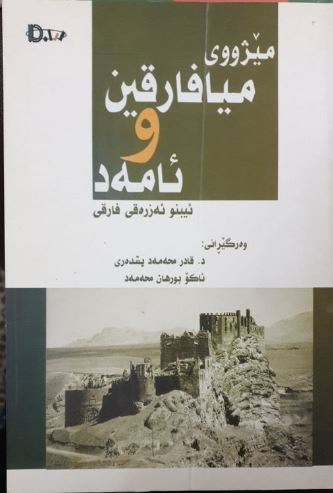
ناساندنی کتێب
«مێژووی میافارقین و ئامەد» بەرهەمێکی مێژووییە لە ئیبنو ئەزڕەقی فارقی کە ناونیشانەکەی دوو شار و ناوچەی مێژوویی دەخاتە ناوەندی باسەکە. ئەم وەشانە کوردییە بە وەرگێڕانی د. قادر محەمەد پشدەری و ئاکۆ بورهان محەمەد، و بە ساغکردنەوەی د. بدوی عبداللطیف عوض ناسێنراوە.
کتێبەکە بۆ خوێنەرانی حەزکەر بە مێژووی ناوچەکە و سەرچاوە مێژووییەکان دەرفەتێکی خوێندنەوە دەڕەخسێنێت. لە خوێندنەوەی ئەم جۆرە بەرهەمانەدا، سەرنجدان بە سەردەمی نووسین و بەراوردکردنی ڕووداو و ناوەکان لەگەڵ سەرچاوەکانی تر یارمەتی تێگەیشتنی باشتر دەدات.
تەوەرەی کتێبەکە مێژووی دوو شارە: میافارقین و ئامەد. ئەمە دەرفەتێک دەڕەخسێنێت بۆ ئەوەی خوێنەر لە چوارچێوەی مێژووی شارەکانەوە لە ڕابردوو بڕوانێت، نەک تەنها لە ڕێگەی ناوی دەوڵەت و سنوورە گەورەکانەوە. لە خوێندنەوەی مێژووی ناوخۆیی، ناوی شوێن، کەس و ڕووداو گرنگ دەبن؛ بۆیە خوێندنەوەی هێواش و تۆمارکردنی ئەو ناوانە یارمەتی دەدات پەیوەندیی نێوان گێڕانەوەکان باشتر دەربکەوێت.
بەرهەمە مێژووییەکان پێویستییان بە خوێندنەوەی هەڵسەنگێنەر هەیە. باشە خوێنەر جیاوازیی نێوان گێڕانەوەی ڕووداوێک، ڕای نووسەر و زانیاریی ڕوونکەرەوەی وەشانەکە بپارێزێت. بەراوردکردنی ناو و ڕووداوەکان لەگەڵ سەرچاوە مێژووییەکانی تر، و سەرنجدان بە واتای زاراوەکان لە دەقی وەرگێڕدراودا، دەکرێت خوێندنەوەکە بکاتە کارێکی توێژینەوەیی بەسوود.
ئەم کتێبە بۆ خوێنەرانی مێژووی شارەکان، قوتابیانی بواری مێژوو و ئەوانەی حەزیان بە ناسینی سەرچاوە مێژووییەکان بە زمانی کوردی هەیە، بەرهەمێکی پەیوەندیدارە. دەتوانرێت وەک دەستپێکێک بۆ پرسیارکردن لەبارەی ڕابردووی ئەم دوو شارە و بەدواداچوونی وردتری سەرچاوەکان بخوێنرێتەوە.
مێژووی میافارقین و ئامەد

مێژووی میافارقین و ئامەد

Book Introduction
History of Mayyafariqin and Amid is a work of regional history attributed in this edition to Ibn al-Azraq al-Fariqi. The Kurdish catalog identifies Qadir Muhammad Pishdari and Ako Burhan Muhammad as translators, with Badawi Abd al-Latif Awad associated with the preparation of the text. Its focus on two cities offers readers a route into the past through particular places rather than through a general survey of states and empires.
Local history draws attention to relationships that can disappear in a broader chronological account. The names of cities, individuals and events acquire meaning through their setting, and a reader must follow the connections between them. This edition is consequently relevant to people interested in the history of the region, the study of historical sources and the availability of such material in Kurdish.
A productive way to approach the book is to keep a short record of recurring place names and personal names. When the same location appears in different passages, these notes make it easier to see continuity and change. Comparing unfamiliar names with a reliable map or another historical source can also prevent a modern geographical assumption from being imposed on an older text.
The author’s account, the editors’ explanatory work and the translators’ wording are distinct layers of the reading experience. Paying attention to those layers helps readers recognise where a claim originates and how it has reached the present edition. The book can support further inquiry into the histories of Mayyafariqin and Amid, while careful comparison with other sources remains an important part of interpreting any historical narrative.


Reviews
There are no reviews yet.