
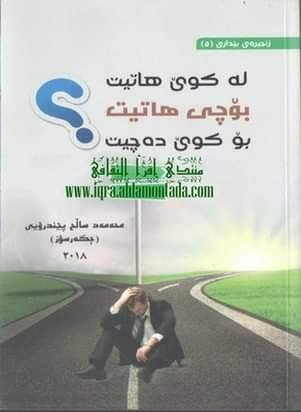
لە کوێ هاتیت؟ بۆچی هاتیت؟ بۆ کوێ دەچیت؟

لە کوێ هاتیت؟ بۆچی هاتیت؟ بۆ کوێ دەچیت؟
چاپی یەکەم 2018
بڵاوکار: نووسەر
بەدرێژایی مێژووی مرۆڤایەتی، تاکو ئێستا، ئەم سێ پرسیارە گرنگ و هەستیارە لە گوێی مرۆڤدا زرینگاوەتەوە: تۆ لەکوێ هاتویت ؟ بۆچی هاتیت ؟ بۆ کوێ دەچیت ؟ واتە: مرۆڤ لە خۆی پرسیوە: لە کوێ هاتوومەتە ئەم ددنیایە ؟ بۆچی هاتوومەتە ئەم دنیایە ؟ چارەنووسیشم لەدوای مردن، چی لیدێت و چی بەسەر دێت ؟.
هەڵبەت هەمیشە فەیلەسوفان و بیرمەندان وزانایان بەدوای وەڵامی ئه و سێ پرسیارەدا گەڕاون، بۆیە زۆرێک لە زاناو فەیلەسوف و بیرمەندانە لە ڕێگەی پەرتووکە ئاسمانیەکانەوە، واتە وەحی ئاسمانیەوە وەڵامی ئه و سێ پرسیارەیان دەستکەوتووە، بەڵام ئه و کەسانەی کە لەدەرەوەی ئه و بازنەیەن، واتە لەدەرەوەی بازنەی ئایینە ئاسمانیەکان بیریان کردۆتەوه و باوەڕیان بە هیچ ئایینێکی ئاسمانی نیە و نەبووە، هیچ وەڵامێکی یەکلاکرەوه و قانعکەریان دەستنەکەوتووە بۆیە بەشێکیان بەسەرگەردانی و سەرلێشیواوی سەریان ناوەتەوە، بەشێکیشیان هێشتا بەدوای وەڵامەکەیدا وێڵ و سەرگەردانن !
نووسەر هەوڵی داوە بەپشت بەستن بە ئایەتە پیرۆزەکانی قورئان، هەروەها لە ڕێگەی بەڵگە عەقڵیەکانەوە، بەتێرو تەسەلی وەڵامی ئه و سێ پرسیارە بداتەوە.

Book Introduction
Where Did You Come From? Why Did You Come? Where Are You Going? is a Kurdish work by Muhammad Salih Pindroyi, also identified in the catalog as Jigarsoz. The existing introduction explains that the book addresses three connected questions: human origins, the purpose of life and the destiny of the human being after death. It presents the author’s effort to discuss these questions through Quranic passages and rational argument.
The sequence of questions provides a clear framework. Asking about origins concerns how a person understands existence; asking about purpose brings responsibilities and values into view; asking about destination introduces mortality and accountability. Reading them together encourages attention to the relationship between a worldview and the choices people make within it.
The book belongs to a religious discussion of life’s meaning. Its arguments should be understood as the author’s presentation of an Islamic perspective, rather than as a substitute for examining every philosophical position on these topics. Readers can distinguish the text’s interpretation of revelation from the reasoning used to connect that interpretation with its conclusions.
A useful reading method is to summarise each major question in one’s own words, then note the evidence and reasoning offered in response. This makes it easier to recognise which parts of an argument depend on an accepted religious premise and which parts invite a broader discussion. The edition is relevant to readers interested in Islamic belief and reflective writing about human life. Its three questions can also serve as starting points for a respectful reading-group conversation about meaning, responsibility and the limits of human understanding.


Reviews
There are no reviews yet.