
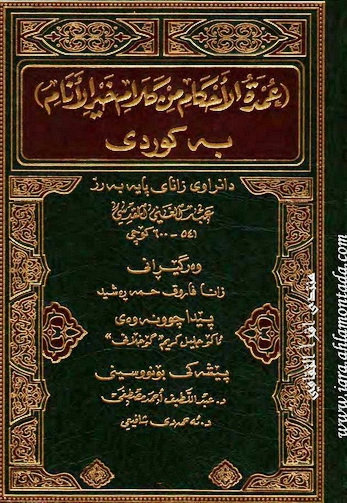
عمدة الأحكام من كلام خير الأنام (بە کوردی)
کتێبی عومدەتولئەحکام لە فەرموودەکانی پێغەمبەر (ﷺ)
Umdat al-Ahkam in Kurdish – Imam Abdul Ghani al-Maqdisi
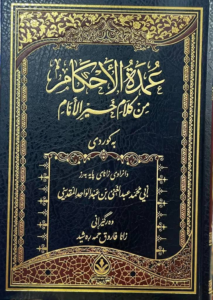
ناساندنی کتێب (بە زمانی کوردی)
کتێبی «عمدة الأحكام من كلام خير الأنام» کە لەلایەن ئیمام و حافزی گەورە عەبدولغەنی المَقدِسي دانراوە، یەکێکە لە گرنگترین و بەناوبانگترین سەرچاوەکانی فەرموودەی پێغەمبەر (ﷺ) لە بواری بڕیار و ئەحکامە شەرعییەکاندا (وەکو دەستنوێژ، نوێژ، زەکات، ڕۆژوو، حەج و مامەڵەکان).
تایبەتمەندی سەرەکی ئەم کتێبە ئەوەیە کە دانەرەکەی تەنها ئەو فەرموودانەی تێدا کۆکردۆتەوە کە هەردوو ئیمامی گەورە البخاري و مسلم لەسەری ڕێککەوتوون (متفق عليه)، ئەمەش وا دەکات فەرموودەکانی ناو ئەم کتێبە لە بەرزترین پلەی ڕاستیدا بن. ئەم وەرگێڕانە کوردییە لەلایەن مامۆستا زانا فاروق حەمە ڕەشید وەرگێڕدراوە و پێداچوونەوەی بۆ کراوە، تاوەکو فەرموودە و ئەحکامە فیقهییەکان بە زمانێکی سادە و ڕوون بگەنە دەستی خوێنەرانی کورد.
تەوەرە و تایبەتمەندییە سەرەکییەکان:
- پشتیوانبەستن بە سەحیحترین فەرموودەکان: پێکهاتووە لەو فەرموودانەی کە هاوبەشن لە نێوان بوخاری و مسلمدا.
- کۆکردنەوەی ئەحکامە کردارەکییەکان: تایبەتکردنی بە فەرموودەکانی پەرستش (عبادات) و مامەڵەکان.
- تێگەیشتنی ئاسان: دەقە عەرەبییەکان لەگەڵ مانا و کورتەی فەرموودەکان بە کوردی ڕوون کراونەتەوە.
- سەرچاوەیەکی بنەڕەتی: بە کەڵکە بۆ فێرخوازانی زانستی شەرعی و گشت موسوڵمانان بۆ فێربوونی شێوازی پەرستشەکان.
نبذة عن الكتاب (باللغة العربية)
كتاب «عمدة الأحكام من كلام خير الأنام» للحافظ الحجة عبد الغني المقدسي (المتوفى 600 هـ) يعد من أهم المتون الحديثية في أحكام الفقه الإسلامي. جمع فيه المصنف أصح الأحاديث النبوية المتعلقة بالأحكام والعبادات والمعاملات مما اتفق على إخراجه الإمامان البخاري ومسلم في صحيحيهما.
تمت ترجمة هذا العمل المباك إلى اللغة الكردية بواسطة الأستاذ زانا فاروق حمه رشيد لتيسير فهم أحكام السنة النبوية الشريفة وتطبيقها للناطقين باللغة الكردية.
زانیارییەکانی پەڕتووک | تفاصيل الكتاب
خوێندنەوەی ڕاستەوخۆی کتێب (PDF)
داگرتنی کتێبەکە | تحميل الكتاب
بۆ داگرتنی ڕاستەوخۆی فایلی PDFی ئەم کتێبە، کلیک لەسەر دوگمەی خوارەوە بکە:
Book Introduction
Umdat al-Ahkam, compiled by Abd al-Ghani al-Maqdisi, is presented here in Kurdish as a collection of prophetic traditions connected with practical religious rulings. The existing catalog introduction identifies subjects such as purification, prayer, fasting, pilgrimage and transactions, and explains the collection’s emphasis on narrations found in Sahih al-Bukhari and Sahih Muslim.
Its educational value lies in bringing selected texts into an organised setting. Rather than presenting religious practice only as a sequence of instructions, a hadith collection allows the reader to encounter the transmitted wording on which discussions of practice are based. The relationship between a narration and a legal explanation then becomes an important part of study.
Readers can approach the Kurdish edition by reading one subject at a time, noting recurring terms and consulting any accompanying explanation. The wording of a translation is an aid to understanding; comparing a difficult term with the Arabic text and a qualified commentary can help clarify its scope. It is useful to keep the narration, its explanation and a particular application distinguishable.
The book is relevant to Kurdish-speaking students of hadith and Islamic law, as well as general readers seeking an introduction to the evidence discussed in these fields. Its selection and organisation make it suitable for gradual study. This introduction is a guide to the character of the collection, not an independent ruling on every issue it covers. The detailed understanding of individual texts belongs to the full edition and the scholarly discussions associated with it.
Reviews
There are no reviews yet.